Checking Out the Diverse Applications and Advantages of Aluminum Foundry in Modern Production
Aluminum factories are necessary in today's production landscape. They create components that serve various markets, including vehicle and aerospace. The light-weight nature of Aluminum incorporated with its durability makes it a preferred choice. Additionally, innovative casting methods enhance production effectiveness. Nevertheless, the ramifications of these improvements on sustainability and future patterns necessitate more expedition. What possibilities and obstacles lie ahead for Aluminum factories in this developing market?
The Function of Aluminum Foundries in Modern Production
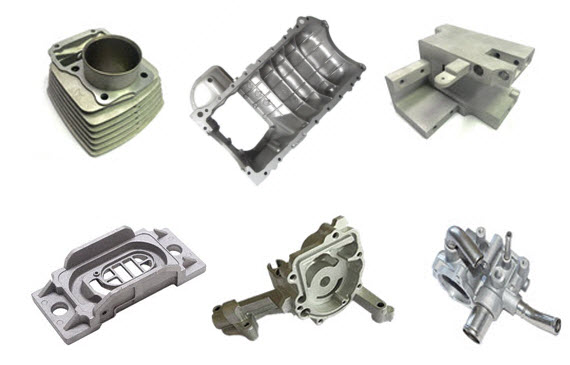
Aluminum shops play a crucial function in contemporary production, contributing significantly to various markets such as automotive, aerospace, and building and construction. These facilities concentrate on the melting and casting of light weight aluminum, a light-weight, durable material known for its exceptional corrosion resistance and thermal conductivity. The shops utilize sophisticated techniques, including sand spreading, die casting, and financial investment spreading, to produce top notch components customized to details applications.
Secret Applications of Aluminum Elements Across Industries
Throughout various markets, Aluminum components are indispensable to enhancing performance and performance. In the vehicle industry, Aluminum is extensively utilized for engine blocks, transmission instances, and architectural components, adding to lighter cars that boost fuel effectiveness. The aerospace sector relies upon Aluminum for aircraft wings, elements, and frames, making use of its high strength-to-weight ratio to improve trip efficiency.
In electronic devices, Aluminum is utilized in heat sinks and housings, supplying efficient thermal monitoring while keeping light-weight characteristics (Aluminum Foundry). The building and construction sector gain from Aluminum in home window frames, roofing, and cladding, where sturdiness and appearances are essential
Additionally, packaging applications utilize Aluminum for foils and cans, supplying a reliable obstacle against wetness and light. In each of these industries, Aluminum components not only support useful needs yet likewise promote sustainability through recyclability, making them a preferred selection in modern-day production methods.
Benefits of Aluminum Compared to Other Products
The flexibility of Aluminum makes it a superior selection over lots of other products in producing applications. One of its key advantages is its lightweight nature, which adds to decreased power usage and improved performance in transportation and construction sectors. Additionally, Aluminum shows outstanding corrosion resistance, boosting the durability of products without the requirement for extensive maintenance.
Additionally, light weight aluminum's malleability permits for elaborate layouts and shapes, accommodating varied industry demands, from automotive to aerospace. Its thermal and electric conductivity also exceeds that of several alternatives, making it excellent for applications requiring warm dissipation or electric transmission.
Furthermore, Aluminum is extremely recyclable, advertising sustainability in manufacturing processes. Compared to steel, it provides a positive strength-to-weight proportion, enabling robust yet lightweight frameworks. Jointly, these attributes position Aluminum as a preferred material, allowing makers to attain both efficiency and sustainability in their items.
Cutting-edge Casting Strategies in Aluminum Foundries
In the domain name of Aluminum production, cutting-edge casting methods are revolutionizing the production process and improving the product's applications. Among these strategies, pass away spreading stands out for its capacity to produce complex forms with high precision and very little waste. This approach permits fast automation, making it perfect for markets such as automotive and electronic devices. Financial investment spreading has acquired popularity due to its capability to produce intricate designs with superb surface area finish, accommodating both big and small parts.
One more noteworthy technique is sand spreading, which provides flexibility and cost-effectiveness for generating majorities. Current improvements in 3D printing innovations are also being incorporated into Aluminum spreading, allowing quick prototyping and customization. These innovations not just improve performance however additionally expand the possibilities for Aluminum applications throughout different industries, eventually driving the evolution of modern-day manufacturing techniques.
Sustainability Initiatives in Aluminum Manufacturing
Sustainability initiatives in Aluminum manufacturing emphasis on improving reusing processes, which greatly decrease power consumption and exhausts. Implementing power performance practices better adds to a decreased carbon impact, making Aluminum a more eco-friendly material. These efforts show the sector's commitment to sustainable manufacturing and source preservation.
Recycling Aluminum Perks
While Aluminum manufacturing is resource-intensive, recycling Aluminum presents considerable advantages that align with sustainability efforts in manufacturing. Recycling Aluminum needs just 5% of the power needed for primary production, significantly lowering greenhouse gas emissions. This energy effectiveness not just preserves all-natural sources but likewise reduces the ecological influence linked with mining and refining raw materials. description In addition, recycling Aluminum supports a circular economic climate by reestablishing products back right into the supply chain, therefore decreasing waste and advertising resource conservation. The procedure also generates economic benefits through job creation in recycling facilities and decreases dependence on foreign Aluminum sources. Overall, recycling Aluminum is a vital element of sustainable methods that contribute to a much more environmentally responsible manufacturing landscape.
Power Performance Practices
The Aluminum production market is progressively embracing power performance techniques to improve sustainability together with recycling efforts. These campaigns concentrate on enhancing energy intake throughout the production procedure. Suppliers are carrying out innovative technologies such as high-efficiency furnaces and wise grid systems, which permit better energy management and lowered waste. Furthermore, the integration of renewable resource sources, like solar and wind power, is ending up being more widespread, moreover decreasing dependence on nonrenewable fuel sources. Continuous tracking and analysis of power use promote the recognition of inefficiencies and possibilities for enhancement. Furthermore, labor force training on energy-saving look at these guys techniques assurances that employees proactively add to energy conservation efforts, creating a society of sustainability within the organization. These methods collectively sustain an even more sustainable Aluminum manufacturing landscape.
Decreased Carbon Footprint
To accomplish a decreased carbon footprint, the Aluminum manufacturing industry is progressively welcoming innovative sustainability campaigns. Companies are purchasing advanced innovations that minimize power consumption and emissions throughout the production procedure. The integration of eco-friendly energy resources, such as solar and wind power, plays an essential duty in decreasing reliance on fossil fuels. Additionally, the recycling of Aluminum scrap considerably reduces the carbon impact, as recycled Aluminum requires only a portion of the energy required for main production. Joint initiatives among makers, governments, and ecological companies additionally drive progression in sustainability. By embracing these procedures, the Aluminum sector not only addresses environmental concerns however additionally boosts its one-upmanship in a market increasingly concentrated on green techniques.
Future Fads in Aluminum Foundry Technology
Development goes to the center of Aluminum Foundry technology, reshaping and driving considerable improvements sector methods. Arising patterns consist of the integration of fabricated intelligence and machine knowing, enhancing process optimization and quality assurance. These modern technologies facilitate anticipating upkeep, minimizing downtime and enhancing operational efficiency. In addition, using 3D printing and additive production is getting traction, allowing for intricate geometries and lowered product waste.
Sustainability stays a vital focus, with advancements in reusing methods improving the circular economic situation of light weight aluminum. Firms are significantly embracing energy-efficient methods, such as low-pressure die spreading, which lessen energy intake and discharges. Furthermore, electronic doubles are becoming commonplace, enabling real-time tracking and simulation of Foundry procedures.
Regularly Asked Inquiries
What Safety and security Actions Are in Place at Aluminum Foundries?
Aluminum shops implement various precaution, including safety equipment, proper air flow, fire avoidance systems, regular safety training, and emergency situation methods to mitigate threats connected with heats, liquified steel handling, and possible direct exposure to harmful materials.
Exactly How Do Aluminum Foundries Make Sure Quality Assurance Throughout Production?
Aluminum factories carry out rigorous top quality control measures such as normal examinations, product screening, and adherence to industry criteria. These methods assure uniformity in items while lessening problems, ultimately enhancing the integrity and efficiency of Aluminum components.
What Are the Typical Difficulties Dealt With by Aluminum Foundries?
Aluminum foundries commonly deal with Click This Link challenges such as keeping constant quality, managing manufacturing expenses, steering regulatory conformity, addressing tools upkeep issues, and adjusting to changing market demands, every one of which can affect operational performance and success. - Metal Castings
Just how Does the Aluminum Recycling Process Operate In Foundries?
The Aluminum recycling procedure in foundries entails gathering scrap light weight aluminum, melting it in heaters, eliminating contaminations, and casting the liquified metal right into desired forms, thus reestablishing it into the production cycle effectively and sustainably.
What Are the Work Opportunities Available in Aluminum Foundries?
Job chances in Aluminum foundries include duties such as Foundry operators, high quality control inspectors, maintenance professionals, engineers, and manufacturing managers. These positions need numerous skill levels, supplying prospective for career development within the production sector.
Sustainability efforts in Aluminum manufacturing emphasis on enhancing recycling procedures, which substantially lower power intake and emissions. While Aluminum production is resource-intensive, recycling Aluminum provides substantial benefits that align with sustainability efforts in production. Reusing Aluminum calls for only 5% of the energy needed for main production, considerably lowering greenhouse gas emissions. The Aluminum manufacturing industry is progressively embracing power performance techniques to boost sustainability along with reusing efforts. In addition, the recycling of Aluminum scrap considerably lowers the carbon impact, as recycled Aluminum calls for just a fraction of the energy needed for key manufacturing.